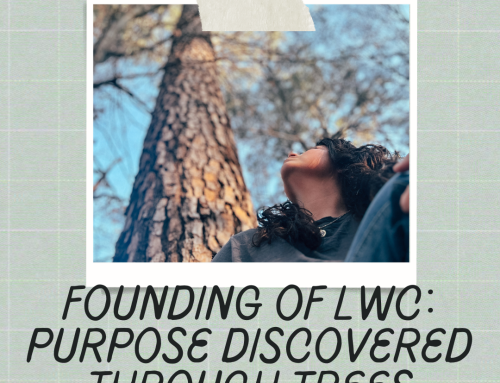
The importance of continued connection, curiosity, and professional growth in the work we do.
I remember how much there was to learn when I first entered the mental health field. Graduate school had given me a foundation, an understanding of theories, diagnoses, interventions, and the ethical responsibilities that come with being a therapist. But as most of us eventually discover, understanding something in a classroom and experiencing it in a therapy room are two very different things.
There is something uniquely humbling about sitting across from another human being who is trusting you with some of the most vulnerable parts of their life. You might have an idea of what you want to accomplish in a session, but then your client shares something unexpected, an intervention doesn’t land the way you anticipated, or you notice an emotional reaction within yourself that you weren’t quite prepared for.
And suddenly, all those years of education don’t necessarily provide the perfectly packaged answer you were hoping for.
I think most therapists can relate to that feeling, regardless of how long they have been practicing.
Early in our careers, we are expected to ask questions. We have supervisors, professors, and colleagues encouraging us to explore different perspectives and develop our clinical judgment. There is an understanding that we are still learning, and while that learning process can sometimes feel intimidating, there is also comfort in knowing we aren’t expected to have everything figured out.
But something interesting happens as we become more experienced. We gain confidence, develop our preferred approaches, complete additional trainings, and eventually reach that exciting milestone of independent licensure. Somewhere along the way, however, we can begin to feel as though we should have the answers by now.
And I wonder whether that expectation is doing us more harm than good.
When Did Asking for Support Become a Sign of Inexperience?
Think about the work we ask our clients to do every day. We encourage them to become curious about their patterns, recognize when something isn’t working, challenge old beliefs, and reach for support when they need it. We remind them that growth doesn’t happen in isolation and that vulnerability can be an important part of healing.
Yet, as clinicians, we don’t always extend that same understanding to ourselves.
Maybe you’ve worked with a client for months and feel like you’ve reached a plateau. You understand their history, recognize their patterns, and have tried several interventions, but something still feels stuck. Or perhaps you’ve noticed that a particular client brings up emotions you don’t typically experience in session, and you’re beginning to wonder how your own experiences might be influencing the therapeutic relationship.
These situations aren’t necessarily evidence that something has gone wrong. They’re often invitations to become more curious about the work we’re doing.
This is one of the things I value most about clinical supervision and consultation. Having another clinician alongside you creates an opportunity to consider perspectives that might be difficult to recognize when you’re deeply immersed in a case. Sometimes that conversation leads to an entirely different treatment approach. Other times, it helps you recognize a relational dynamic, clarify an ethical concern, or simply develop greater confidence in the clinical decisions you’ve already made.
There is something powerful about being able to explore those questions without feeling that your competence is being measured by whether you already know the answer.
Of course, supervision does include accountability, evaluation, and the responsibility to ensure ethical, competent care, particularly for clinicians working toward independent licensure. But I believe those responsibilities can coexist with a supportive relationship that encourages honesty, reflection, and growth.
In fact, I think they should.
Becoming the Therapist You Want to Be
Something I find especially meaningful about working with developing clinicians is watching them begin to discover their own therapeutic identity.
When we first enter this field, it’s natural to lean heavily on what we’ve been taught. We want to follow the appropriate protocols, choose evidence-based interventions, and make sure we’re approaching our clients’ concerns responsibly. Those foundations are essential, but over time, many clinicians begin realizing that there isn’t just one way to be an effective therapist.
You might find yourself particularly drawn to attachment-based work because of the ways relationships influence healing. Perhaps you’re interested in incorporating more somatic approaches after recognizing how trauma is experienced throughout the body. Maybe traditional talk therapy doesn’t always feel like enough, and you’re curious about how expressive arts, nature, or animal-assisted interventions might support your clients.
Or perhaps you’re still trying to understand what kind of therapist you want to become, and that’s okay too.
One of the things I’ve come to appreciate throughout my own professional development is that our approaches can continue evolving as we gain experience, pursue additional training, and learn from the people who trust us with their care.
For me, that evolution has included integrating attachment-focused and trauma-informed approaches with EMDR, somatic work, parts work, ecotherapy, and animal-assisted therapy. These approaches have encouraged me to think more broadly about what healing can look like and to remain curious about the ways our environments, relationships, experiences, and nervous systems influence the therapeutic process.
I bring that same curiosity into supervision and consultation.
I don’t believe the goal should be to create clinicians who practice exactly as I do. Rather, I want to help therapists strengthen their clinical foundations while discovering approaches that align with their values, interests, and the needs of the clients they serve.
Sometimes that involves exploring the deeper dynamics of a therapeutic relationship. Sometimes it means discussing treatment planning, ethical considerations, or how to integrate a new intervention responsibly. And sometimes it means helping a clinician recognize that they already have strong instincts but haven’t quite developed the confidence to trust their clinical judgment.
That process looks different for everyone, which is part of what makes it so meaningful.
Why Support Shouldn’t End When Supervision Is No Longer Required
I think independent licensure deserves to be celebrated. It’s a significant accomplishment that reflects years of education, supervised experience, professional development, and dedication to the people we serve.
But I’ve never viewed licensure as the point where our learning is complete.
If anything, the longer we practice, the more we begin to appreciate just how complex people really are.
We encounter clients whose experiences challenge our existing understanding of trauma, attachment, identity, relationships, and healing. We begin recognizing patterns that weren’t as obvious earlier in our careers. We may pursue specialized training, transition into private practice, work with new populations, or take on additional responsibilities that introduce an entirely different set of professional questions.
And despite all that growth, the expectation to navigate those complexities independently can become stronger.
For therapists in private practice especially, this can feel surprisingly isolating. We spend much of our time holding space for others, often moving from one emotionally demanding session to the next, with very few opportunities to meaningfully process our clinical experiences with someone who understands the work.
Even in group practices or larger organizations, being surrounded by other clinicians doesn’t automatically mean we have dedicated space for thoughtful clinical reflection.
This is where consultation becomes such an important part of ongoing professional development.
Unlike the formal supervisory relationship required for associate licensure, consultation generally provides an opportunity for independently licensed clinicians to collaborate, reflect, and seek specialized perspectives while maintaining responsibility for their own clinical decisions.
And I think there is tremendous value in that.
Sometimes we need someone to challenge our assumptions. Other times, we need help recognizing when our personal experiences are influencing our reactions to a client. We may want to explore how to approach a complicated trauma case, consider whether additional training would be beneficial, or simply gain a different perspective on something we’ve been carrying around in our minds between sessions.
What I appreciate about consultation is that it allows us to remain both knowledgeable and curious. We can have years of experience while still acknowledging that there are things we don’t know or perspectives we haven’t considered.
Those qualities don’t contradict each other. They strengthen each other.
Taking Care of the Clinician Behind the Work
I also think we need to talk about something that doesn’t always receive enough attention when discussing professional development: the emotional experience of being a therapist.
Our work is incredibly meaningful, but it asks a lot of us.
We regularly sit with grief, trauma, fear, shame, loss, and experiences that may challenge our understanding of the world. We build relationships with people whose stories matter to us while maintaining the professional boundaries necessary to support their healing. We navigate situations where progress is slow, outcomes are uncertain, and there may not be a clear answer about what comes next.
Even when we love what we do, those experiences can take a toll.
There may be weeks when we feel energized by our work and deeply connected to our purpose. There may also be weeks when we find ourselves questioning our effectiveness, feeling emotionally depleted, or noticing that certain client experiences are staying with us long after the session ends.
Having space to reflect on those experiences is important, not only for the quality of care we provide but also for our own professional well-being.
Supervision and consultation aren’t substitutes for personal therapy or the other supports we need outside of work. However, they can offer something uniquely valuable: the opportunity to understand our emotional experiences within the context of our clinical responsibilities.
A thoughtful conversation may help us recognize countertransference, identify patterns of overresponsibility, reconsider a boundary, or notice the early signs of professional burnout. It may also remind us that some of the challenges we’re experiencing are part of working in a profession where relationships, emotions, and human complexity are central to everything we do.
I believe we become more intentional clinicians when we’re willing to examine not only what is happening with our clients, but also what is happening within ourselves.
And that kind of reflection is much easier when we have someone we trust to explore it with.
Continuing to Grow, Together
If there is one thing I hope clinicians take away from this conversation, it’s that professional growth shouldn’t have an expiration date.
We don’t suddenly stop benefiting from collaboration because we’ve completed our supervision hours. We don’t outgrow the need for reflection because we’ve earned another certification or spent another decade in practice. And we certainly don’t have to approach every difficult clinical situation as though asking for another perspective somehow undermines our expertise.
I would actually argue that knowing when to seek support is an important part of being a thoughtful, ethical clinician.
What matters is finding professional relationships that encourage both accountability and curiosity. Relationships where we can celebrate our clinical successes while also acknowledging our uncertainties, examine our blind spots without becoming defensive, and continue learning without feeling that we have something to prove.
That’s the kind of space I hope to create through my work with other clinicians.
At Loblolly Wellness Collective, I offer clinical supervision for LCMHCAs in North Carolina and EMDR consultation for clinicians who are continuing to develop their skills and confidence in trauma treatment. My approach is collaborative, attachment-focused, trauma-informed, and grounded in the belief that each clinician brings their own experiences, strengths, and perspectives into the therapeutic relationship.
Whether you’re just beginning to discover your identity as a therapist or you’ve been practicing independently and are looking for a place to explore the more complicated parts of clinical work, I want you to know that you don’t have to navigate those experiences entirely on your own.
After all, so much of what we understand about healing comes back to the importance of relationships, connection, and feeling supported as we grow.
Why should our own professional development be any different?
Looking for Clinical Supervision or EMDR Consultation?
If you’re an LCMHCA in North Carolina seeking individual or group clinical supervision, or an EMDR clinician interested in individual or group consultation, I’d love to connect.
Through Loblolly Wellness Collective in Knightdale, NC, I offer a supportive, collaborative approach that emphasizes clinical confidence, ethical practice, authentic professional development, and continued learning.
Reach out to Loblolly Wellness Collective to schedule an introductory conversation and explore whether working together would be a good fit.