![Loblolly Wellness Collective - Logo [transparent]](https://loblollywc.com/wp-content/uploads/2025/12/Loblolly-Logo.png)
Ever feel like your brain is a browser with 37 tabs open, and at least three of them are frozen, but you can’t figure out which ones? That’s kind of what happens when we’re carrying around unresolved stress, trauma, or just the general chaos of life. That’s where EMDR (Eye Movement Desensitization and Reprocessing) therapy comes in.
Now, I know what you might be thinking: “Wait, isn’t EMDR just for people who’ve been through something huge?” Nope! While it’s absolutely incredible for treating PTSD, it’s also amazing for everyday struggles like anxiety, self-doubt, and even adjusting to big life changes. Because let’s be real—sometimes just being a human is a lot.
At Loblolly Wellness Collective, we’ve put our own spin on EMDR by integrating nature and animal-assisted therapy into sessions. Because what’s better than healing and getting to pet a therapy animal or soak in the calm of the outdoors? (Spoiler: not much.)
EMDR for Military Personnel: Less Talking, More Healing
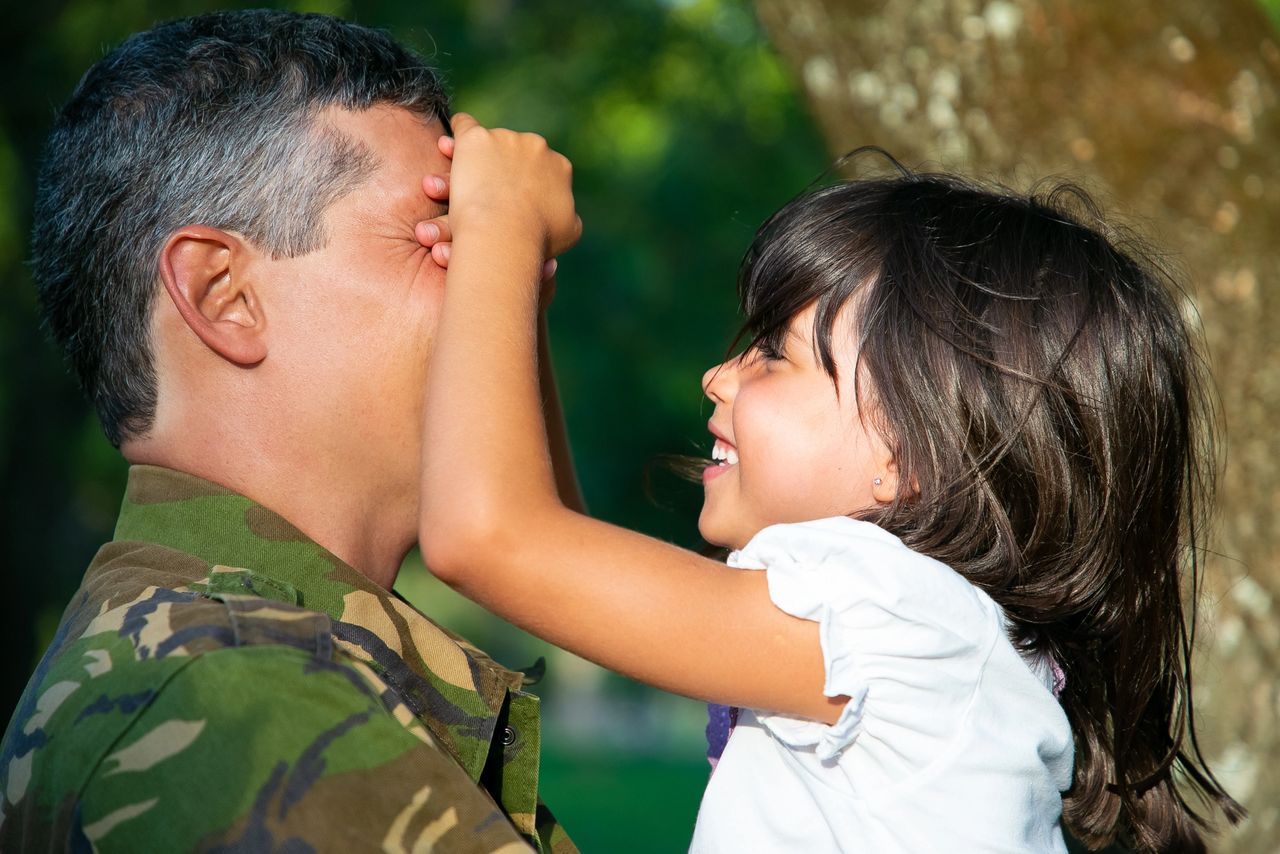
For veterans and active-duty military, EMDR can be an absolute game-changer. High-stress situations, combat experiences, and constant vigilance can take a toll, making it hard to fully relax even when you’re safe. EMDR helps reprocess those memories so they don’t keep hijacking your brain when you least expect it—like when you’re just trying to enjoy your morning coffee or just spending time with your family without your nervous system sounding the alarms.
And one of the best parts? You don’t have to go into detail about what happened if you don’t want to. Your brain does the work without you having to rehash everything, making it a solid choice for folks who are over talking about their trauma.
Healing Attachment Wounds and Abuse Histories: Rewriting the Script
Ever find yourself reacting in a relationship like you’re starring in a movie you didn’t even audition for? That’s often the result of deep-seated beliefs formed from past wounds. Whether it’s childhood trauma, toxic relationships, or emotional neglect, EMDR can help shift those old narratives.
Instead of feeling like you’re stuck in a cycle of self-doubt or fear of abandonment, EMDR helps your brain recognize that you’re safe now. It’s kind of like an emotional software update—out with the old, buggy system and in with the version that actually works for you. Clients often say they feel lighter, more confident, and way less triggered by things that used to set them off.
Nature, Animals, and EMDR: Healing, But Make It Cozy

At Loblolly Wellness Collective, we love adding an extra layer of calm to EMDR sessions by integrating animals and nature into the process. There’s just something about petting a therapy animal or feeling the breeze on your face while walking that makes tough emotional work feel a little more doable.
Animals help with emotional regulation (plus, they’re cute, which is an automatic mood booster), and nature gives that grounding, peaceful vibe that makes the whole experience feel less clinical and more you got this. Think of it as your nervous system getting a hug while your brain does the heavy lifting.
Anxiety, Depression, and Life Transitions: EMDR for When Life Feels Like a Messy Group Chat
Look, life doesn’t always throw one big trauma at us—it sometimes just comes at us with a thousand tiny ones. If you’ve ever felt stuck in an anxious spiral, weighed down by depression, or completely lost in a major life transition, EMDR can help. It’s like giving your brain a deep breath, helping you break free from overwhelming thoughts and emotions so you can move forward with clarity (instead of feeling like you’re on an emotional rollercoaster with no seatbelt).
EMDR for Kids & Teens: Processing Through Play and Creativity

Kids and teens process their emotions way differently than adults do. Instead of sitting down and talking through their feelings in a structured way (because let’s be honest, most kids would rather do literally anything else), they express themselves through play, movement, and creativity. That’s why EMDR for children and adolescents can be incredibly powerful—because we meet them where they are.By integrating play therapy, art, and creative expression into EMDR sessions, kids can work through difficult emotions in a way that feels natural and engaging. Whether it’s through drawing, storytelling, sand tray therapy, or even movement-based activities, this approach helps them process big feelings without overwhelming them. And because their brains are still developing, EMDR can help rewire unhelpful thought patterns early, setting them up for healthier emotional regulation as they grow.Plus, for kids who might struggle to put their experiences into words, EMDR allows their brains to work through things without requiring them to explain every detail—making it especially helpful for children dealing with anxiety, trauma, or behavioral challenges.
Thinking About EMDR? Let’s Chat!
If you’ve been wondering whether EMDR could help you, the short answer is: probably! Whether you’re dealing with past trauma, everyday stress, or just the general absurdity of life, EMDR can help your brain sort things out so you don’t have to carry the weight alone.
Let’s get you feeling lighter, freer, and way less bogged down by the stuff that’s been hanging around too long. Reach out and let’s see how we can help!